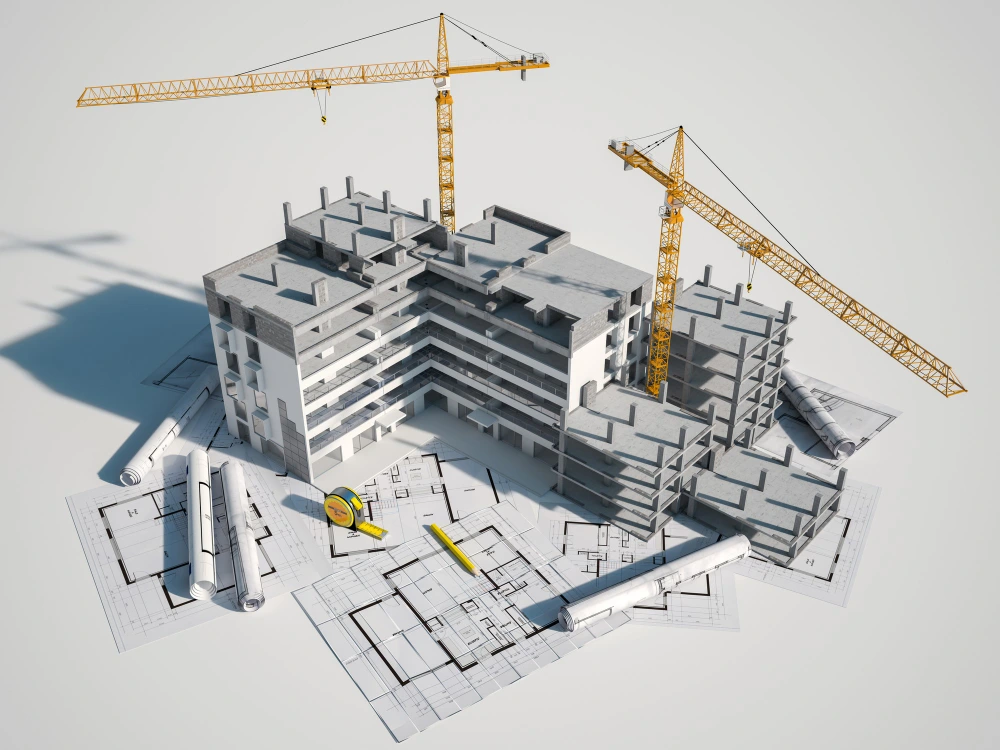

AAC Blocks for Sustainable Construction
Building Strength. Driving Sustainability.
GrayGold AAC Blocks are designed for the future of construction — strong, lightweight, and eco-conscious. Trusted by builders, our AAC blocks deliver unmatched performance while supporting sustainable infrastructure goals.
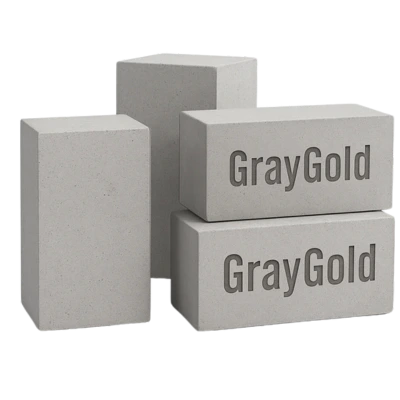
What are Autoclaved Aerated Concrete (AAC) Blocks?
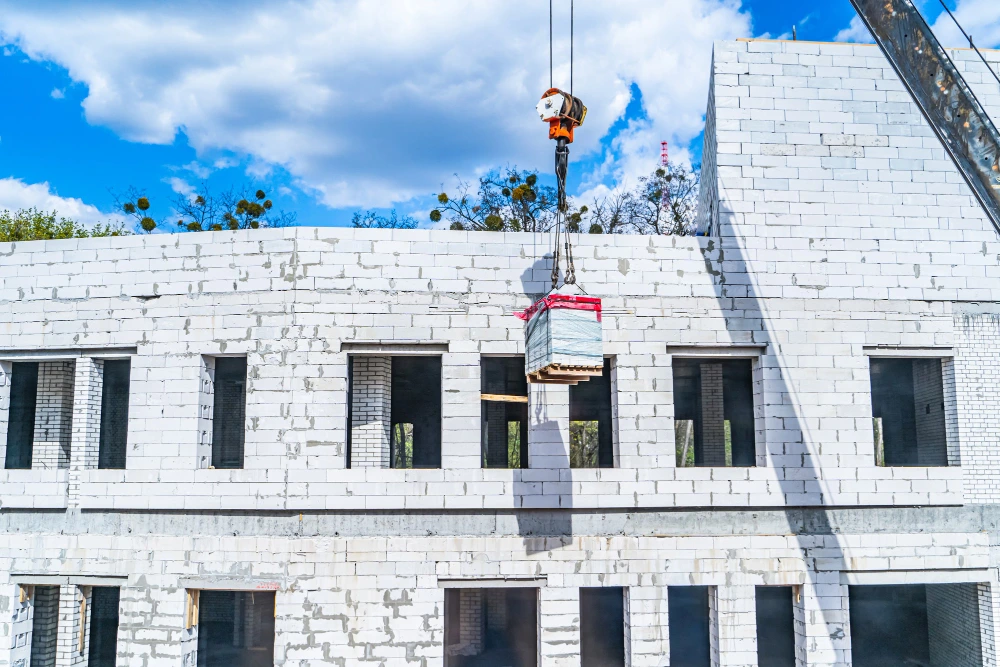
Autoclaved Aerated Concrete (AAC) is a next-generation, lightweight building material engineered for superior performance. It is manufactured from a mix of fly ash, cement, lime, water, and an aerating agent. This mixture undergoes a high-pressure steam curing process in an autoclave, creating a physically and chemically stable product with millions of tiny, non-connected air pockets. AAC blocks are manufactured in compliance with IS -2185 (Part -3) standards, ensuring certified quality, strength, and durability for modern construction requirements.
AAC blocks undergo a high-pressure autoclaving process that gives them:
Essential Features of AAC Blocks
Technical Specification of AAC Block
| PARAMETER | VALUE |
|---|---|
| Density (Oven Dry) | 550-650 kg/m³ |
| Compressive Strength | 4N/mm² |
| Modulus of Elasticity | 2040 N/mm² |
| Coefficient of Thermal Expansion | 8.1 x 10⁻⁶ K⁻¹ |
| Water Absorption (at equilibrium) | 8% |
| Thermal Conductivity (K value) | 0.16 W/(m.K) |
| Drying Shrinkage | 0.04% |
| Fire Resistance | 4 Hrs. (for 150 mm wall) |
| Sound Transmission Class Rating | 43db (for 100mm wall) |
| Strength | - 4 ++ N/mm2 |
Industries We Serve
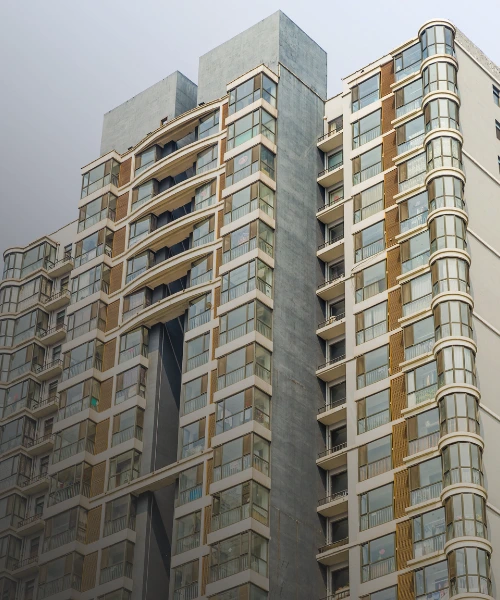
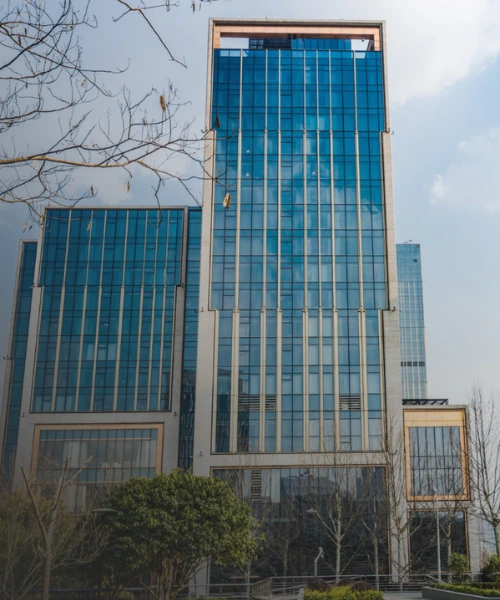
Our AAC blocks are the ideal solution for a wide range of construction projects, providing consistent performance and reliability.
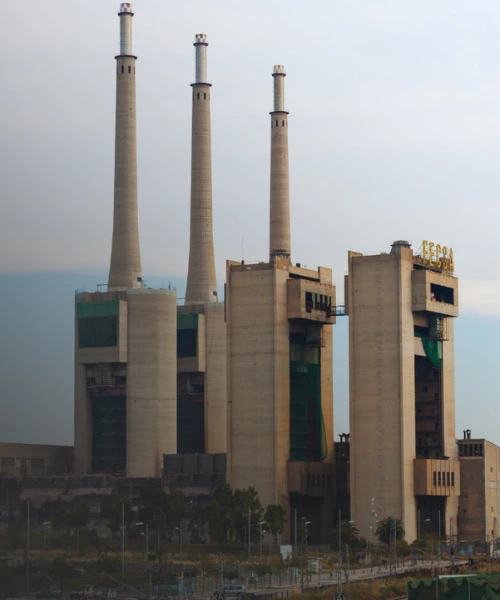

Red Bricks vs. AAC Blocks
Why AAC Blocks Lead the Future of Construction
| Feature | Red Bricks | AAC Blocks |
|---|---|---|
| Thermal Insulation | Low | Excellent |
| Weight | Heavy | Lightweight |
| Compressive Strength | Low | High |
| Fire Resistance | Up to 2 hours | Up to 4 hours |
| Construction Speed | Slower | Faster |
| Environmental Impact | High (uses topsoil, high energy) | Low (uses fly ash, less energy) |
| Sound Insulation | Average | Excellent |
| Water Absorption | Higher | Lower |
| Pest Resistance | Susceptible to termites | Resistant |
| Overall Cost-Effectiveness | Higher long-term costs (energy, labor) | Lower long-term costs |
Committed to Quality
and Sustainability
Our approach is driven by a commitment to deliver long-term value through precision manufacturing & sustainable practices. We don’t just supply building materials—we partner in your construction success.

Ready to build Smarter, Greener and Faster?
Key Benefits of AAC Blocks
- Reduces Structural Costs
- Enhances Energy Efficiency
- Improves Fire Safety
- Provides Acoustic Comfort
- Supports Green Building Goals
- Speeds Up Construction
- Ensures Long-Term Durability
- Precise dimensions for smooth assembly
Let's Connect with Us
We’d love to help you, please complete this form and our dedicated team will get back to you shortly.
- +91 80998 78787
- graygoldpvtltd@gmail.com
- Dhule, Babhalde, Maharashtra 425408
Frequently Asked Questions